Top Benefits of Automotive Window Tinting
Table of Contents
- Introduction
- UV Protection
- Heat Reduction
- Glare Reduction
- Enhanced Privacy
- Interior Preservation
- Improved Fuel Efficiency
- Safety Enhancements
- Types of Window Tint
Automotive window tinting offers significant advantages beyond simply upgrading your vehicle’s aesthetics. While many people consider tinting to enhance privacy or style, the real advantages reach far deeper—from health and safety to improved efficiency and protection from the elements. If you are interested in the highest-grade protection for your vehicle, consider professional options such as ceramic coating for cars in Spring, TX, to maximize your car’s value and performance.
Understanding the broad spectrum of benefits can help you make an informed decision when investing in window tint. Whether you drive daily or only occasionally, the comfort, security, and long-term value improvements are substantial. Let’s explore exactly how professional window tinting transforms the driving experience.
In addition to window tinting, some car owners seek further protection through advanced surface treatments. You can easily find services such as automotive ceramic coating near me to help safeguard your car’s paint and exterior from wear and tear. Together, these protective enhancements create a comprehensive defense system that shields both the interior and exterior of your vehicle. By investing in high-quality tint and protective coatings, you not only enhance comfort and appearance but also preserve resale value over time. Ultimately, professional upgrades ensure your vehicle remains stylish, protected, and performing at its best for years to come.
UV Protection
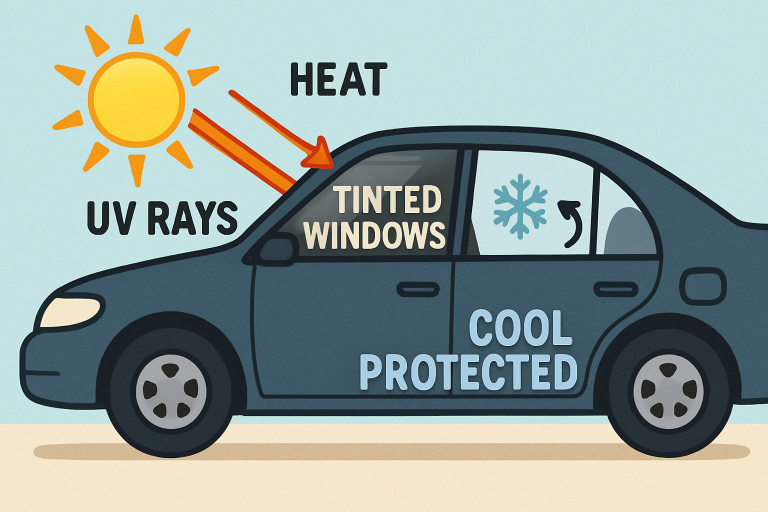
One of the leading reasons drivers choose automotive window tint is its outstanding ultraviolet (UV) ray-blocking capabilities. Exposure to UV rays over time can not only harm your skin, potentially increasing the risk of skin cancer, but also accelerate aging and cause sunburn during long drives. High-quality window films can block up to 99% of harmful UV rays, helping protect everyone inside the vehicle. In addition to safeguarding your health, this UV barrier is pivotal in preventing fading, discoloration, and cracking of interior surfaces such as dashboards, seats, and panels.
Heat Reduction
During the intense summer heat or in warmer climates, vehicle cabins can become uncomfortably hot. Window tinting combats this by filtering out a significant segment of solar energy and infrared heat. Advanced tint films can reject up to 60% of solar heat, keeping you cooler and more comfortable. A cooler cabin means less strain on air conditioning units, which, in turn, can extend the lifespan of the AC system and keep everyone happier on the road.
Glare Reduction
Besides heat and UV protection, reducing glare stands as a significant benefit of quality window tinting. Glare from sunlight or vehicle headlights can be not only bothersome but also hazardous, limiting clear sightlines and increasing the risk of accidents. Professional tints help filter excessive incoming light, promoting safer driving at dawn, dusk, or night, and relieving eye strain. Improved visibility helps you stay focused on the road, adding a vital element of safety, especially in changing or challenging driving conditions.
Enhanced Privacy
Another key benefit is heightened privacy inside your vehicle. Tinted windows obscure your car’s interior, making it much harder for thieves or prying eyes to peer into your car and potentially spot valuables. This added security can deter opportunistic crime in parking lots or urban environments. Enhanced privacy also delivers a sense of comfort and peace of mind when you are parked in unfamiliar areas.
Interior Preservation
Protecting your vehicle’s interior from premature aging and damage is a significant concern for many car owners. Prolonged and direct sun exposure leads to faded fabrics, dried or cracked leather, and brittle plastics. Window tinting acts as an effective shield, reducing the cumulative damage from the sun. Over time, by maintaining the interior’s color, integrity, and flexibility, window tint adds years to your vehicle’s life and preserves its resale value. According to information from the U.S. Environmental Protection Agency, limiting UV exposure also has measurable health benefits.
Improved Fuel Efficiency
One often-overlooked advantage of window tinting is the boost it can give your vehicle’s fuel efficiency. When less solar heat enters the cabin, the air conditioning system runs less, reducing the engine’s energy demand. Vehicles that run more efficiently use less fuel, which not only saves you money but also reduces your car’s environmental impact. For electric or hybrid cars, this cooling effect helps conserve battery charge and extends your driving range.
Safety Enhancements
Window film can also be an important vehicle safety feature. In the event of a collision or impact, the film holds glass fragments together, minimizing the risk of injury from flying shards. This retention is invaluable in emergencies, offering occupants greater protection when side windows might otherwise shatter and spray glass inside the cabin. A quality window tint can also help deter smash-and-grab theft attempts, as the film makes breaking through the glass more difficult and time-consuming.
Types of Window Tint
Choosing the most suitable tint for your car involves understanding the differences in film technologies:
- Dyed Film: Known for its affordability and color finish, dyed film is effective for privacy and basic solar heat absorption, but may fade over time.
- Metalized Film: Contains fine metallic particles that reflect heat and block UV rays efficiently. This option is highly durable, though it can interfere with electronic signals such as GPS and mobile devices.
- Carbon Film: Offers premium heat rejection capability without the signal interference common in metalized films. This option is durable and resists fading, presenting a matte finish many drivers prefer.
- Ceramic Film: The highest-performing tint, ceramic films deliver optimal UV and solar heat rejection with no interference with electronics. As a long-lasting option, ceramic film is a valuable investment for those prioritizing maximum protection and clarity.
Automotive window tinting stands out as a practical upgrade that pays dividends in comfort, safety, efficiency, and the longevity of your vehicle. By understanding the substantial advantages of each feature and considering your tint technology choices, you can make the best selection that fits your lifestyle and car care goals.